

Elkay Hunt: Bringing High Frequency Fashion to Formula 1 and Beyond
Freddie Hunt and Lee Keshav are on a mission to bring their understanding of precision to luxury fashion.
“An F1 car is the highest technology, research, and development, but it is still handmade,” says Lee Keshav. “I think a part of that is what we have brought to Elkay Hunt.”
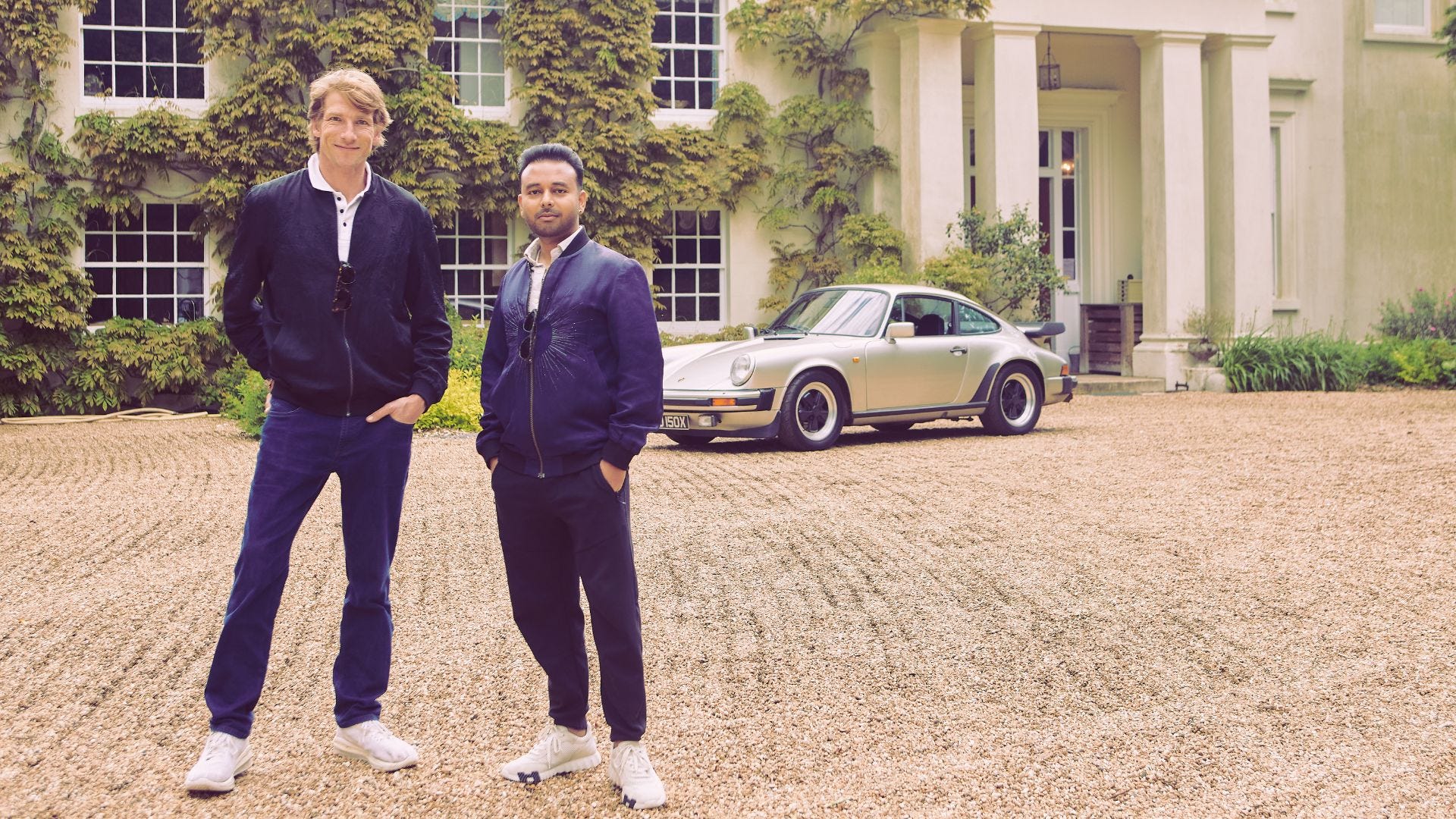
Racing driver Keshav co-founded premium fashion brand Elkay Hunt in 2021 alongside fellow driver and personal friend Freddie Hunt, son of 1976 Formula 1 World Champion James Hunt. Together, the pair have embarked on an ambitious journey to design luxury, high quality, high frequency, hand embroidered items honouring the skilled artisans who create them. “We both had this crossover of style, fashion, luxury, that whole lifestyle, but we were equally contrasted with our desire to be sustainable and protective,” Keshav tells The Paddock Journal.
At the beating heart of every item created at Elkay Hunt is an integral wish to execute with as little impact on the environment as possible. “We want it to be the very highest quality of material available, in the most sustainable way,” shares Hunt, a devoted student of the natural world, currently living in rural Scotland. The leading priority is the fabric used to create the majority of the garment, with the brand using what Hunt and Keshav regularly refer to as ‘high frequency materials’.
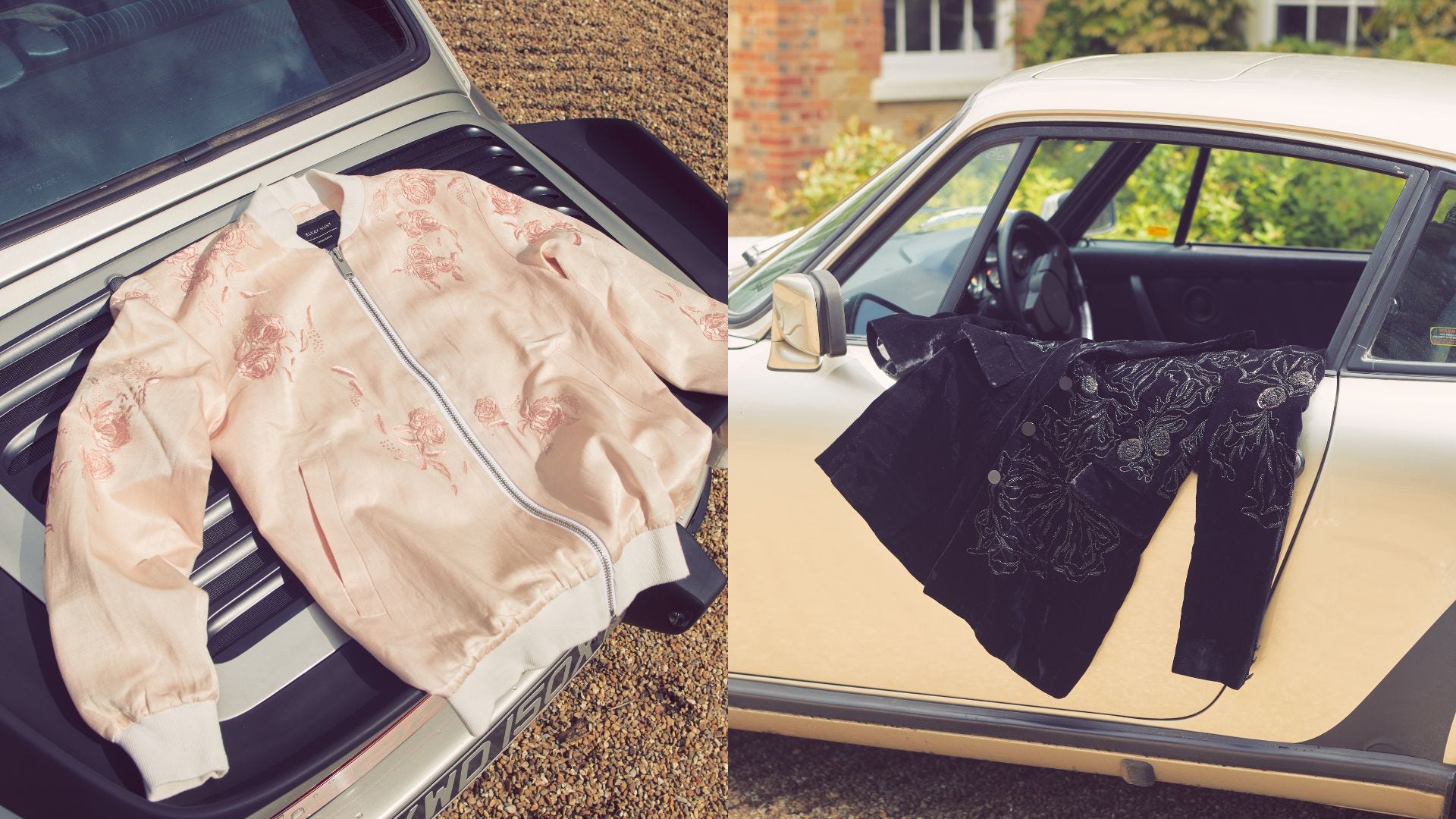
“Everything is vibrating, down to all atoms. It all has a vibrational frequency,” Hunt says, explaining that natural fibres have a higher vibrational frequency than their synthetic counterparts who, in quite the opposite way, have zero frequency. “Not only are [synthetic fabrics] harsh”, begins Hunt, “they are harmful to the planet and they’re harmful to the wearer as well.”
This understanding, however, was not always known by Hunt and Keshav, the pair were simply drawn to natural fibres. Entering the fashion industry gave them much to learn, from production chains and factories to the recycling process, “it became like a massive Pandora’s box”, says Keshav. Although, from the quality of their items, and the confidence in their voices, you’d be forgiven for thinking they’d been in this complex industry for decades.
